Designing Objects That Let Work Disappear.
Securing government seed capital by defining a "Circular Economy" narrative for a pandemic-era startup.
The Context
During the pandemic, the boundary between home and office vanished. Dining tables became desks, creating a psychological inability to disconnect.
The challenge was not just to design furniture, but to design a ritual. We needed a workspace for limited square footage that could vanish when the workday ends. This narrative was crucial not just for sales, but for funding.
Decision: Design an artifact of transition—not just a desk.
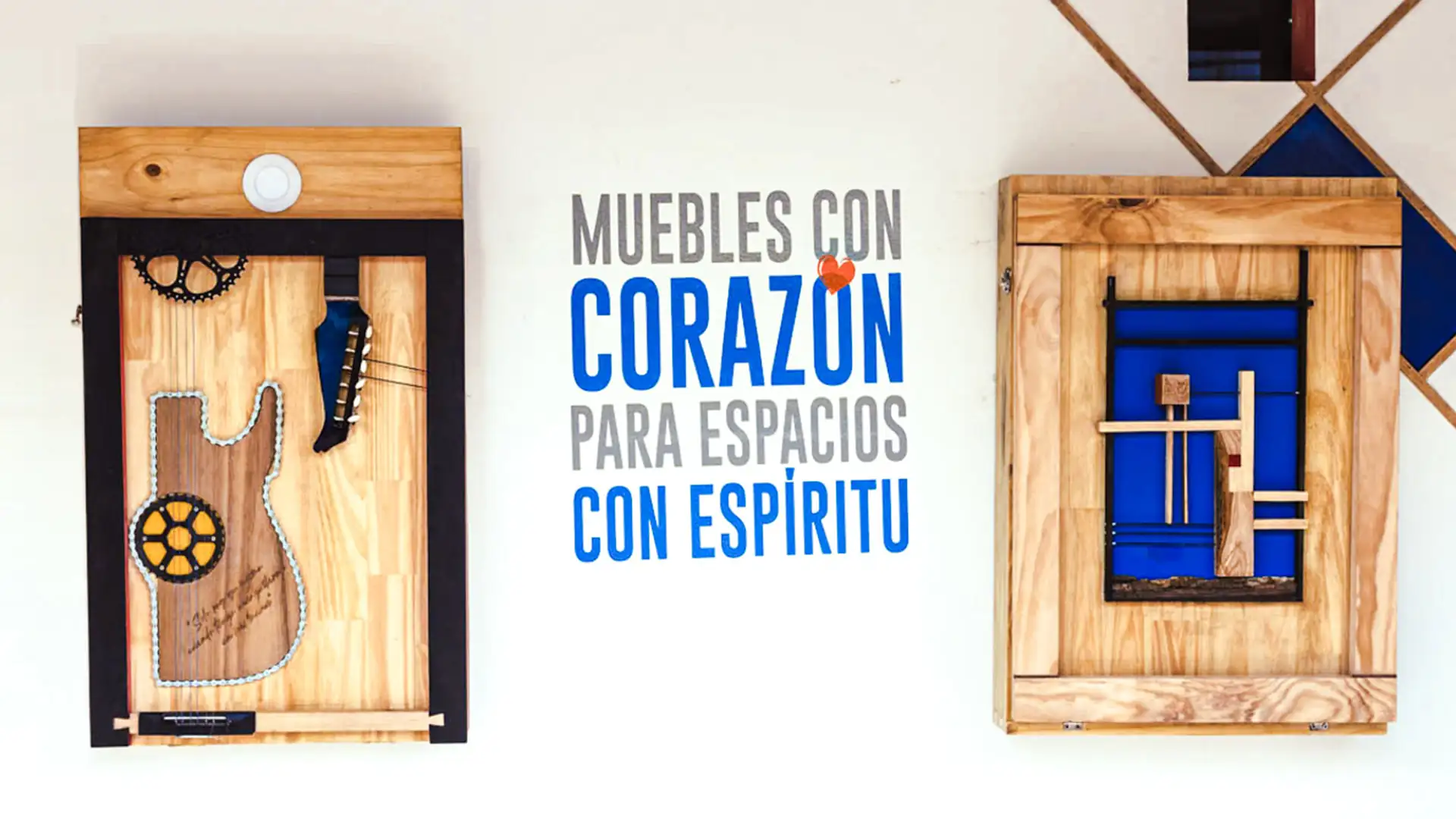
To compete against mass-market furniture giants, we focused on narrative and upcycling. We sourced industrial waste (chains, bicycle parts) and converted them into artistic surfaces.
The Dual-State Strategy:
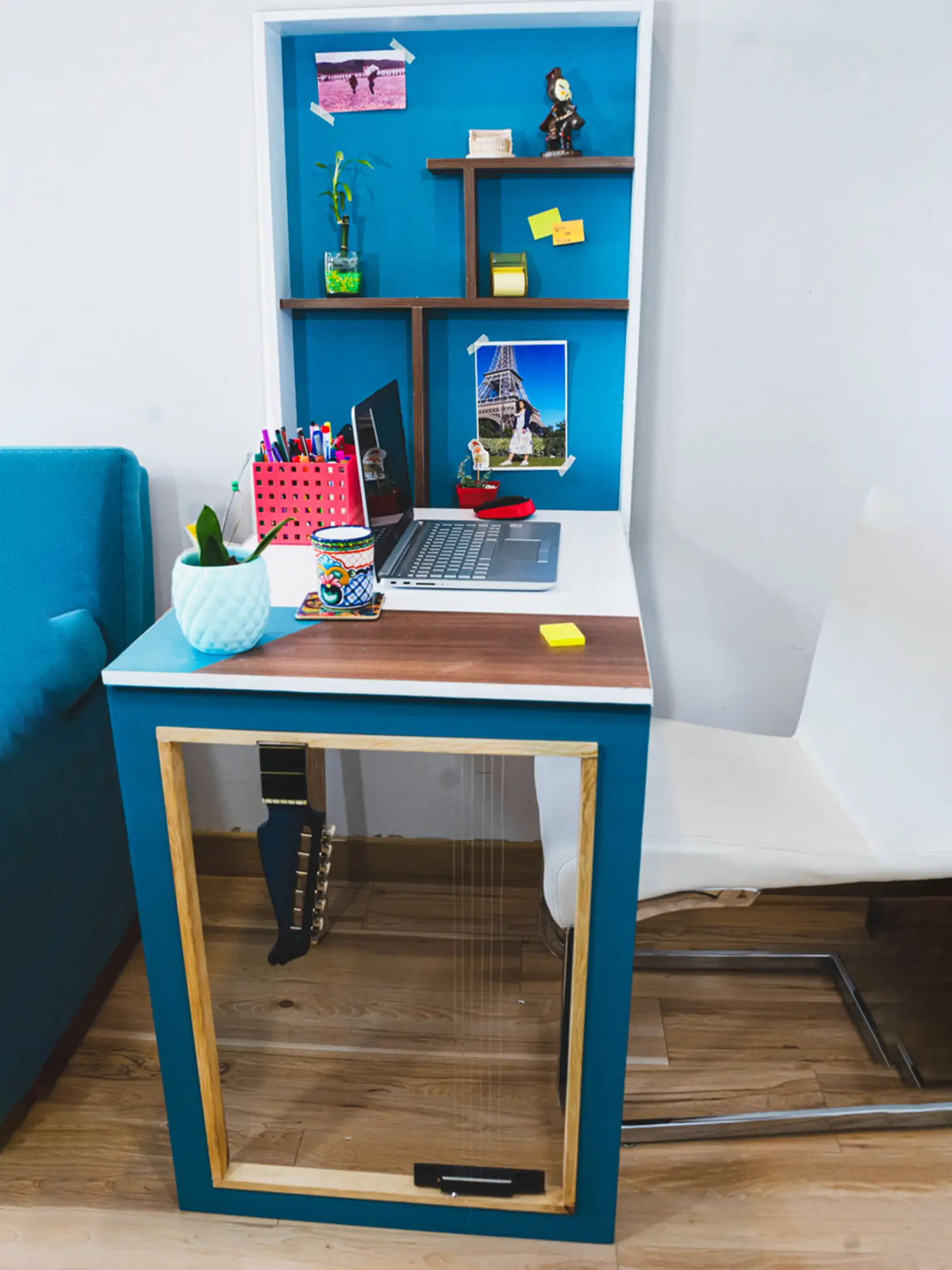
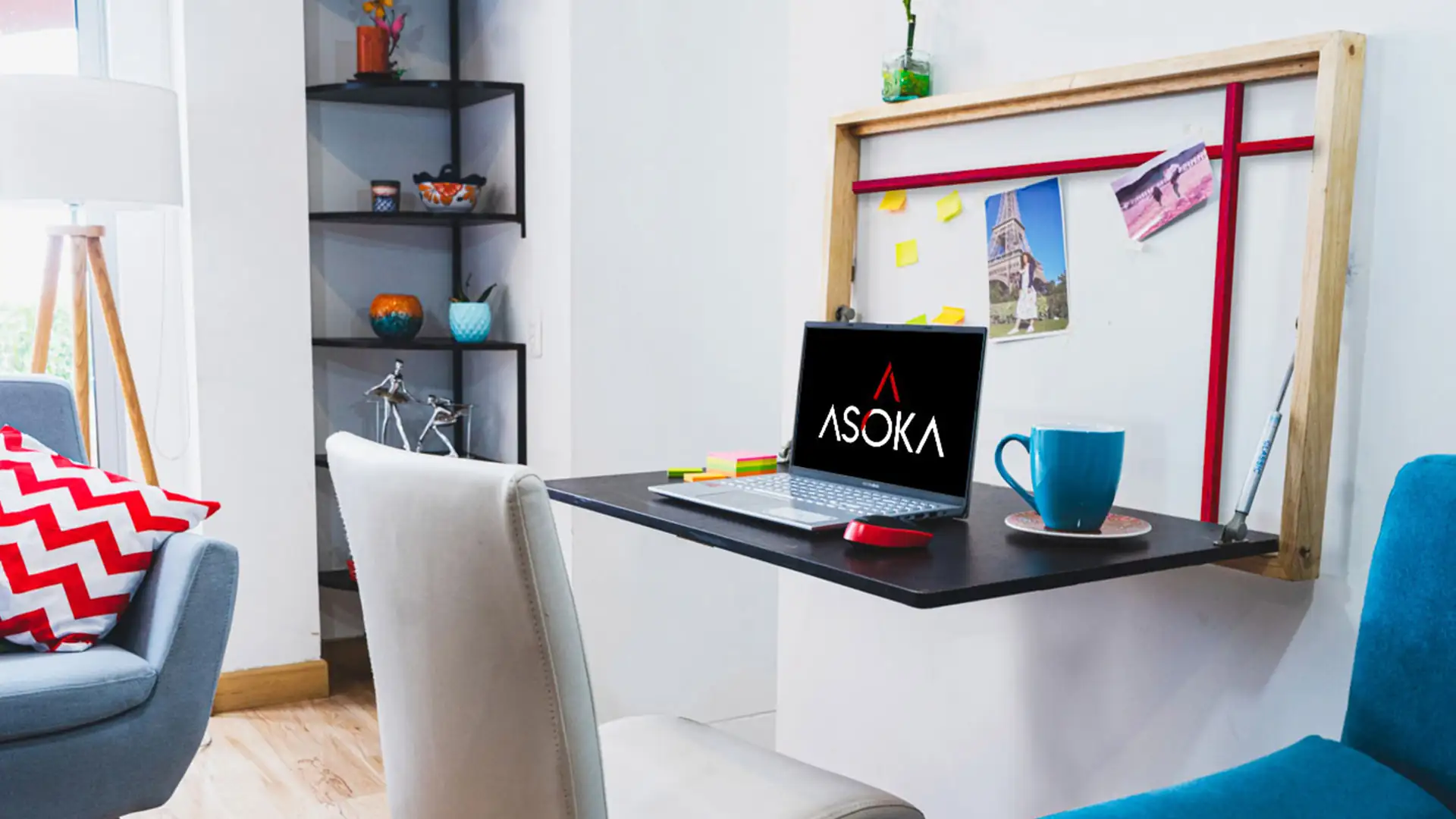
- Open State: Pure ergonomics and productivity.
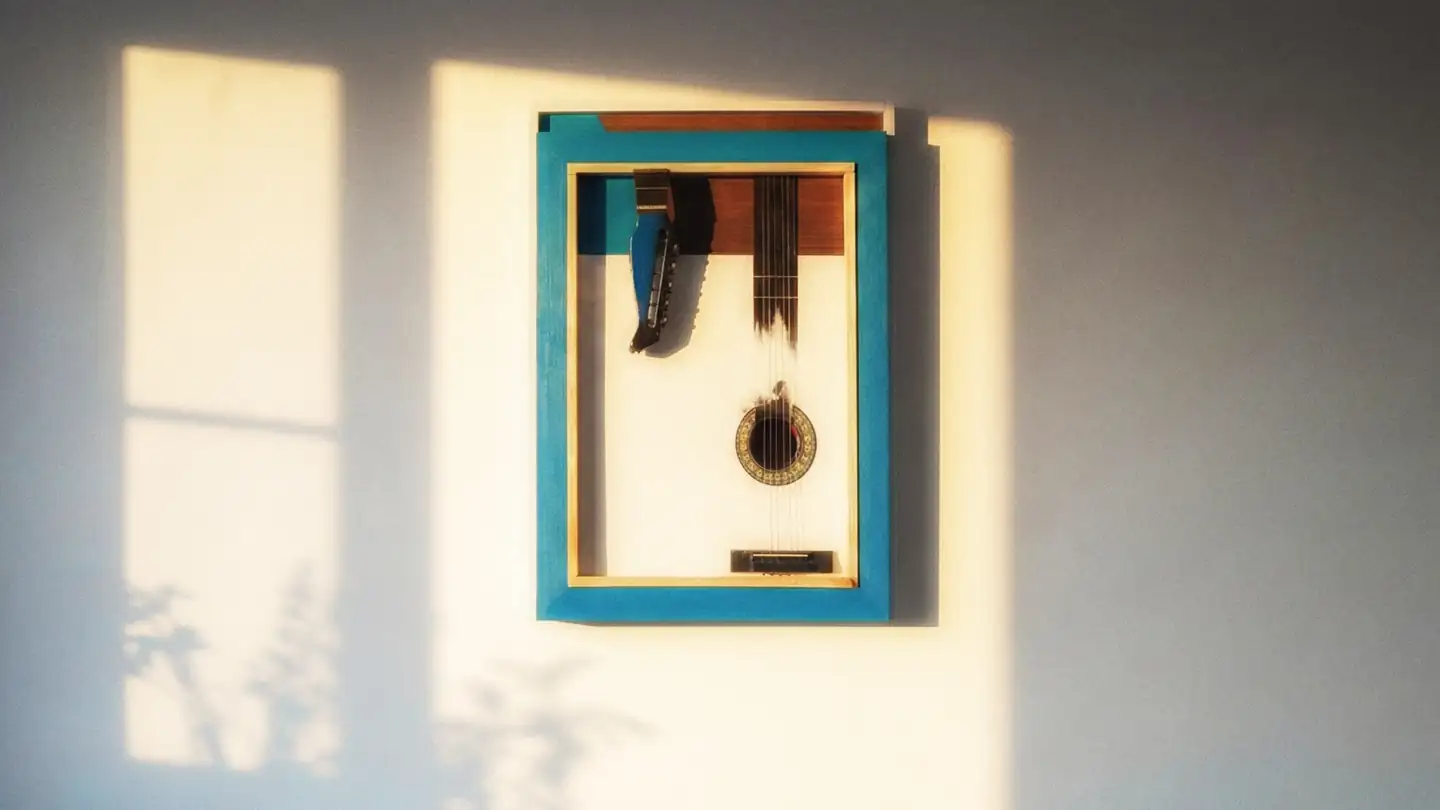
- Closed State: An art piece that conceals the workspace.
The Business Outcome
- Funding Secured This 'Art + Function' storytelling won the competitive Fondo Emprender (SENA) innovation grant (~$25k USD).
- Industrial Capacity The capital funded the machinery that established the factory's production capability, which remains active today.
- Value Creation Transformed a commodity (wood desk) into a meaningful object, creating a defensible hybrid category difficult for mass manufacturers to replicate.